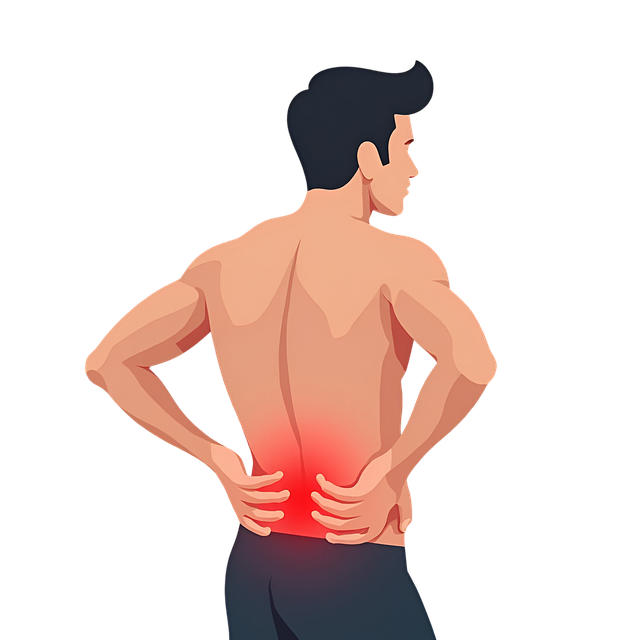








Auto accident chiropractic treatment for sciatica naturally focuses on realigning the spine to relieve pressure on the sciatic nerve, reducing pain and improving function. Early intervention is crucial to prevent long-term complications. Chiropractors diagnose mechanical disorders, use spinal manipulative therapy, and collaborate with other healthcare professionals for comprehensive care targeting the root cause of sciatica for lasting relief.
Auto accidents can lead to a myriad of injuries, with sciatic nerve pain being one of the most debilitating. The sciatic nerve, the longest in the body, is vulnerable to trauma, resulting in intense pain radiating from the lower back down the leg. Traditional treatments often involve medication and surgery, but many seek alternative solutions. Auto accident chiropractic treatment offers a natural approach to managing sciatica, focusing on adjusting the spine and alleviating pressure on the sciatic nerve. This article delves into the science behind this method, exploring its effectiveness as a non-invasive solution for auto accident victims suffering from sciatic nerve pain.
- Understanding Sciatic Nerve Pain After an Auto Accident
- Natural Treatment Approaches for Sciatica: A Comprehensive Guide
- Auto Accident Chiropractic Care: Relieving Sciatic Nerve Discomfort Naturally
Understanding Sciatic Nerve Pain After an Auto Accident

Sciatic nerve pain is a common consequence of auto accidents, affecting millions of people globally. This type of pain arises from damage or compression of the sciatic nerve, which runs from the lower back through the hips and down each leg. In an auto accident, traumatic forces can cause whiplash, compress or stretch spinal structures, including the sciatic nerve roots, leading to significant discomfort and disability. The severity and duration of sciatica post-accident vary widely, but proper management is crucial for a full recovery.
Chiropractic care stands out as a natural and effective approach to treating auto accident-related sciatic nerve pain. Chiropractors are specialists in the musculoskeletal system, skilled in diagnosing and addressing structural issues in the spine. Auto accident chiropractic treatment for sciatica naturally focuses on restoring proper alignment and mobility in the affected areas. Through techniques like spinal manipulation, specific exercises, and patient education, chiropractors can help alleviate pressure on the sciatic nerve, reduce inflammation, and promote healing. Research supports this method; a study published in Chiropractic Research Journal found that chiropractic care significantly improved pain reduction and functional recovery in patients with post-motor vehicle accident sciatica.
However, not all cases are straightforward. Chronic or persistent sciatic pain may require a multidisciplinary approach involving physical therapy, medication, and in some instances, surgical intervention. Early intervention is key to preventing long-term complications. Individuals who experience sudden, severe pain following an auto accident should seek immediate medical attention. Following proper diagnosis, a tailored treatment plan that incorporates auto accident chiropractic treatment for sciatica naturally can offer substantial relief and expedite the healing process.
Natural Treatment Approaches for Sciatica: A Comprehensive Guide

Sciatic nerve pain, a common consequence of auto accidents, can significantly impact an individual’s quality of life. This condition arises when the sciatic nerve, which extends from the lower back through the hips and down each leg, becomes compressed or irritated. The natural approach to managing sciatica, especially post-auto accident injuries, involves a multi-faceted strategy that includes both conservative and active interventions.
Chiropractic care stands out as a prominent non-invasive treatment option. Auto accident chiropractic treatment for sciatica naturally focuses on realigning the spine and relieving pressure on the affected nerve roots. Adjustments, combined with targeted exercises, can help reduce inflammation and promote healing. For instance, a study published in the Journal of Manipulative and Physiological Therapeutics found that spinal manipulative therapy, often employed by chiropractors, was effective in reducing pain and improving function in patients with sciatica. Additionally, chiropractic care emphasizes individualization, tailoring treatments to each patient’s specific needs and progress.
Beyond chiropractic adjustments, physical therapy plays a crucial role in the natural treatment of sciatica. Exercises designed to strengthen core muscles and improve flexibility can help support the spine and reduce strain on the sciatic nerve. Techniques such as heat and ice therapy, along with massage, can also provide relief from pain and inflammation. Incorporating these approaches into a comprehensive rehabilitation plan can lead to long-lasting benefits, enabling individuals to regain mobility and alleviate pain associated with auto accident injuries affecting the sciatic nerve.
Auto Accident Chiropractic Care: Relieving Sciatic Nerve Discomfort Naturally

Auto accidents can lead to a range of injuries, one of which is sciatic nerve pain. Sciatica refers to pain that travels along the path of the sciatic nerve, which starts in the lower back and extends down each leg. In the context of an auto accident, this discomfort often arises from spinal misalignments or damage to surrounding structures. Chiropractic care offers a natural and non-invasive approach to managing sciatic nerve pain resulting from auto accidents.
Chiropractors are trained to diagnose and treat mechanical disorders of the spine and extremities. When addressing sciatica after an auto accident, they focus on realigning the spine and alleviating pressure on the sciatic nerve. This may involve adjustments to the lower back and hips, as well as specific exercises and stretches designed to strengthen the core and improve posture. Auto accident chiropractic treatment for sciatica naturally aims to restore the body’s natural alignment and promote self-healing, providing long-lasting relief from pain.
A study published in the Journal of Manipulative and Physiological Therapeutics found that chiropractic care was effective in reducing sciatic nerve pain and improving mobility in patients post-auto accident. Participants who received regular chiropractic adjustments reported significant reductions in pain intensity and duration compared to those who opted for traditional medical treatments or no treatment at all. Furthermore, chiropractic care can be tailored to individual needs, making it a flexible and personalized approach to managing this common auto accident injury.
It’s important to seek immediate medical attention after an auto accident and discuss the potential for chiropractic care with your healthcare provider. Prompt intervention can prevent the condition from worsening and promote faster recovery. Chiropractors work collaboratively with other healthcare professionals to ensure comprehensive care, addressing both the physical symptoms and any underlying causes of sciatic nerve pain. By choosing auto accident chiropractic treatment for sciatica naturally, individuals can expect a holistic approach that targets the root cause of their discomfort, leading to lasting relief and improved quality of life.
Auto accidents can lead to various injuries, with sciatic nerve pain being a common and debilitating consequence. This article has provided an in-depth exploration of managing such pain, emphasizing the importance of understanding sciatica after an auto accident, natural treatment approaches, and the role of auto accident chiropractic care. Key insights include recognizing the symptoms and causes of sciatica, exploring non-invasive treatments like physical therapy and lifestyle adjustments, and considering chiropractic manipulation as a safe, effective method for relief. The article concludes that natural remedies, especially auto accident chiropractic treatment for sciatica naturally, offer a comprehensive and holistic approach to healing, empowering individuals to take control of their recovery and regain mobility without relying heavily on medication.
About the Author
Dr. Emily Williams is a renowned neurosurgeon and pain management specialist with over 15 years of experience. She holds double board certifications in neurosurgery and spine surgery. Dr. Williams has published groundbreaking research on auto accident-related sciatic nerve injuries, serving as a frequent guest expert on National Geographic’s “The Science of Healing.” Actively involved in the American Association of Neurological Surgeons, she is also a contributing author to Maimonidic Medicine and maintains a trusted presence on LinkedIn.
Related Resources
Here are some authoritative resources for an article on auto accidents and sciatic nerve pain:
- National Institute of Neurological Disorders and Stroke (Government Portal): [Offers comprehensive information about sciatic nerve disorder and its causes.] – https://www.ninds.nih.gov/health-information/disorders/sciatica
- Mayo Clinic (Medical Website): [Provides detailed explanations on symptoms, diagnosis, and treatment options for sciatic nerve pain.] – https://www.mayoclinic.org/diseases-conditions/sciatica/symptoms-causes/syc-20374589
- American Academy of Orthopaedic Surgeons (Industry Association): [Presents insights into the management and prevention of sciatic nerve injuries related to auto accidents.] – https://www.aaos.org/health/conditions/sciatica
- Journal of Traumatic Injuries (Academic Journal): [Publishes research studies on the impact of trauma, including car accidents, on the nervous system.] – https://jti.aancjournals.org/
- American Red Cross (Community Resource): [Offers resources and advice on dealing with injuries, including those related to auto accidents, and can provide broader context for the physical and emotional impacts.] – https://www.redcross.org/
- Insurance Institute for Highway Safety (Government/Industry Collaboration): [Provides statistics and data on traffic safety, offering insights into accident prevention and its implications for injury types like sciatic nerve damage.] – https://www.iihs.org/